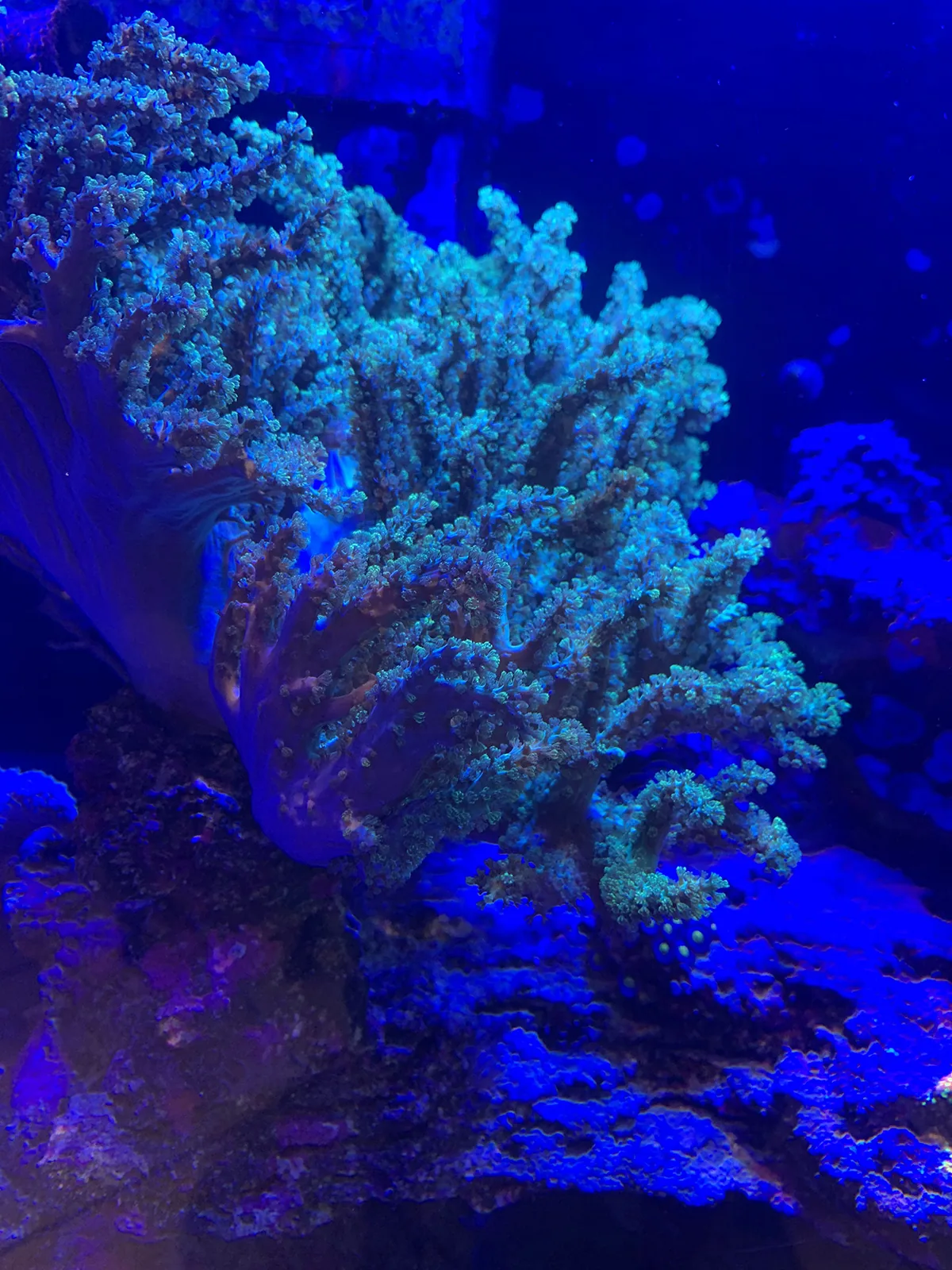

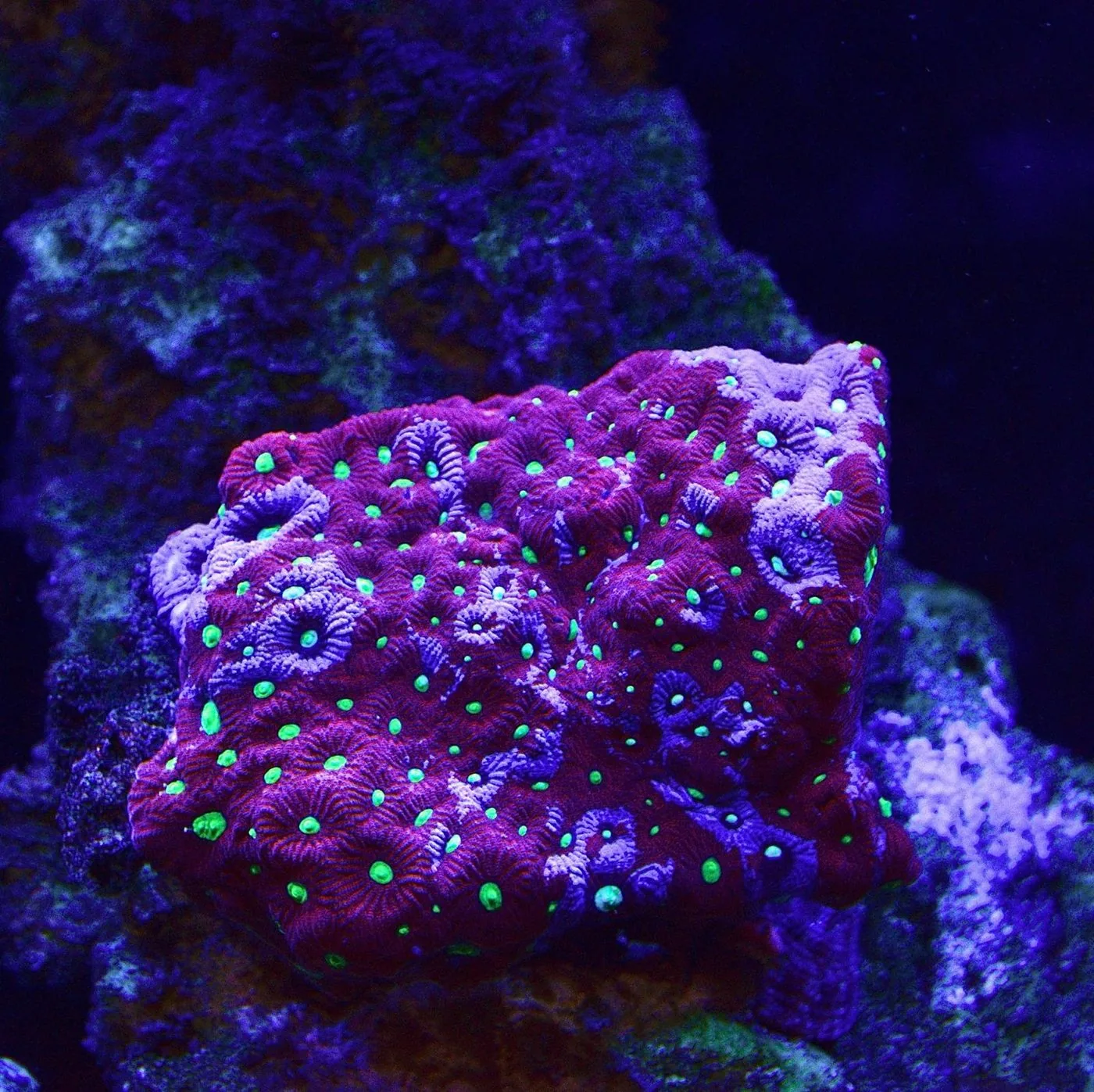
Walk into any reef tank room and you’ll spot the coral lovers immediately — they’re the ones with their faces pressed against the glass, watching the polyps sway. If you’re one of them, you already know the thrill of watching a frag grow in and develop strong color. You also know how frustrating it can be when a coral that once looked vibrant starts to pale, brown, or lose intensity.
At JK-Fish, we talk with reef keepers across Morris County and the wider tri-state area, and coral health and coloration are common topics. The key is not chasing one perfect number or relying on a single additive. Healthy corals usually come from stable conditions, appropriate light and flow, good nutrition, and careful observation over time.
1. Start With Stable Water Parameters
Corals generally tolerate a slightly imperfect but stable environment better than one in which temperature, salinity, alkalinity, or nutrients swing frequently. Stability matters more than constantly adjusting the aquarium to hit an exact number.
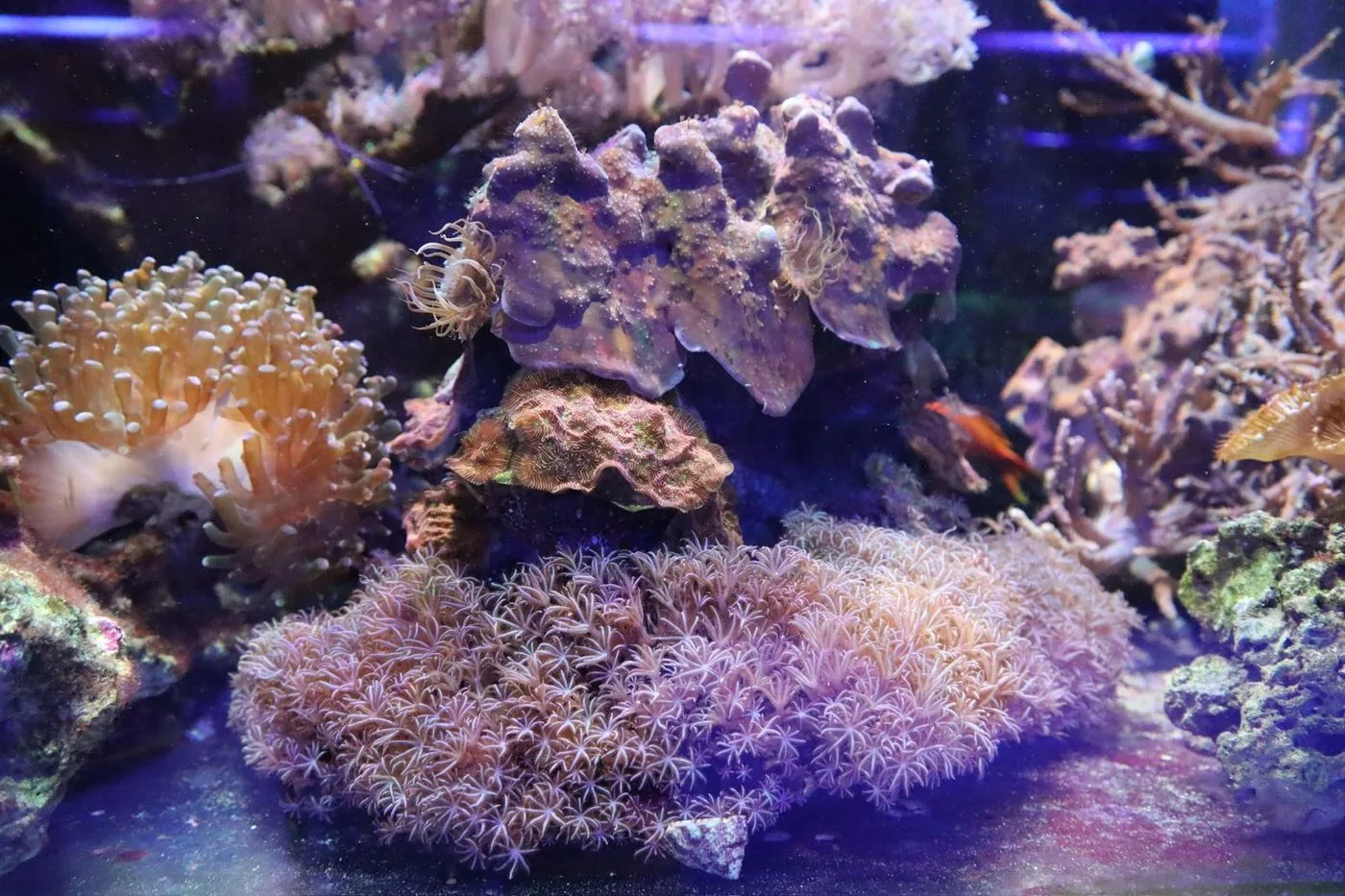
For many mixed reef aquariums, these ranges are reasonable starting points:
- Salinity: about 1.025–1.026 specific gravity
- Temperature: about 76–80°F (24–27°C)
- pH: about 8.0–8.4
- Alkalinity: about 7–10 dKH
- Calcium: about 380–450 ppm
- Magnesium: about 1,250–1,350 ppm
The ideal target can vary with the coral species, salt mix, and husbandry method you use. Test regularly, look for trends, and make gradual corrections instead of making large changes all at once.
2. Match the Lighting to the Coral
Lighting strongly influences coral growth and appearance, but more light is not automatically better. Insufficient, excessive, or rapidly changing light can all affect coral coloration and health. Some corals may darken or brown under unsuitable conditions, while excessive light — especially after a rapid increase — can cause paling, bleaching, or tissue stress.
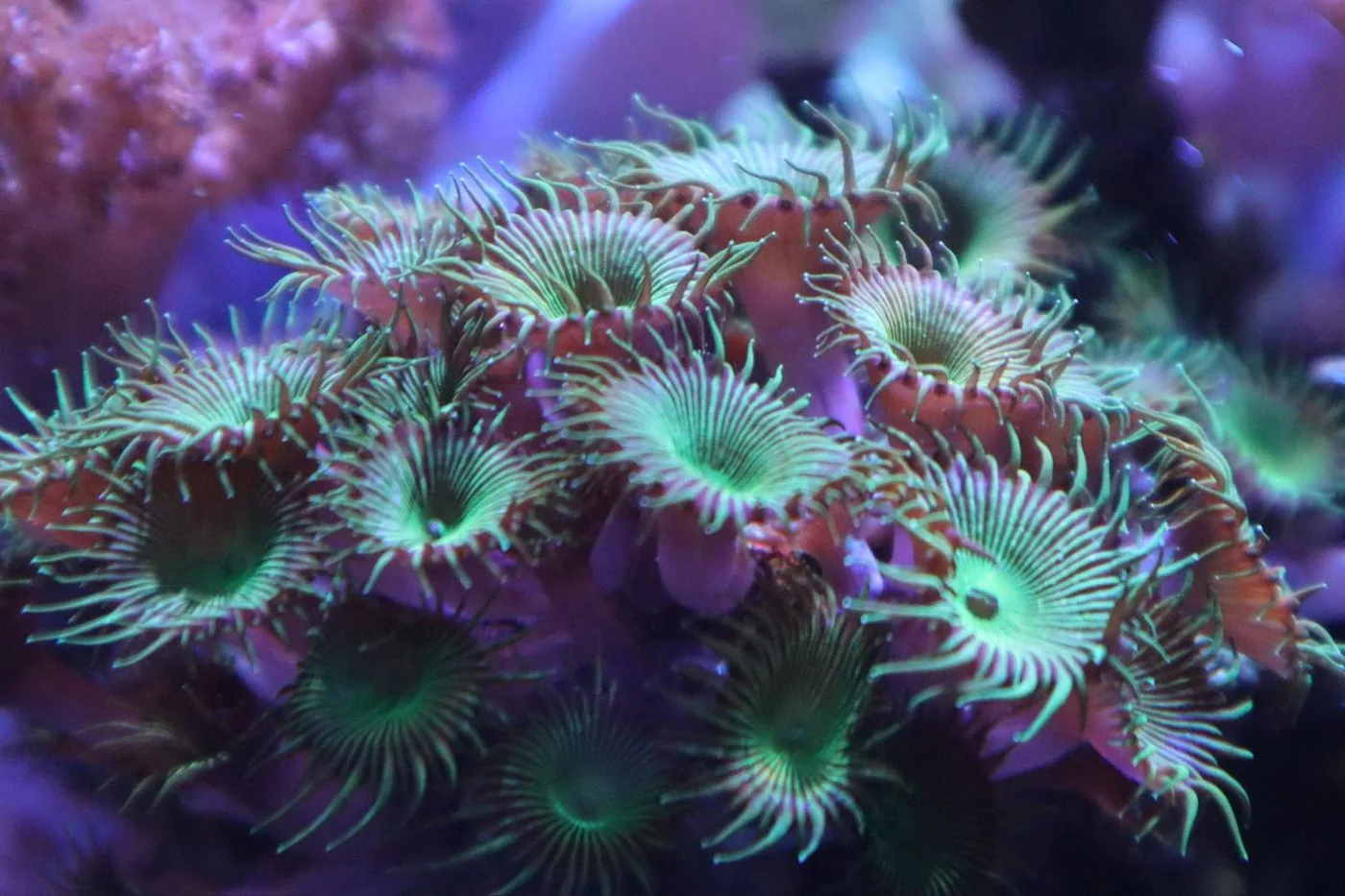
A few practical lighting habits can help:
- Acclimate new corals gradually to your lighting, often over one to two weeks or longer when needed.
- Use a reef-appropriate spectrum; blue and violet wavelengths can enhance fluorescent appearance, while the overall spectrum should still suit the coral and fixture.
- Measure PAR when possible because different coral groups and species can require very different light intensities.
If a coral looks pale or washed out, do not assume that it needs more or less light immediately. Check water chemistry, nutrients, temperature, pests, placement, and recent changes before making a major adjustment.
Avoid repeatedly changing intensity in response to day-to-day color changes. Corals often need time to adapt to a new position or lighting schedule.
3. Feed According to the Coral’s Needs
Many reef-building corals obtain a large portion of their energy through photosynthesis, but some species also benefit from capturing plankton or appropriately sized prepared foods. Feeding requirements vary considerably between coral types.
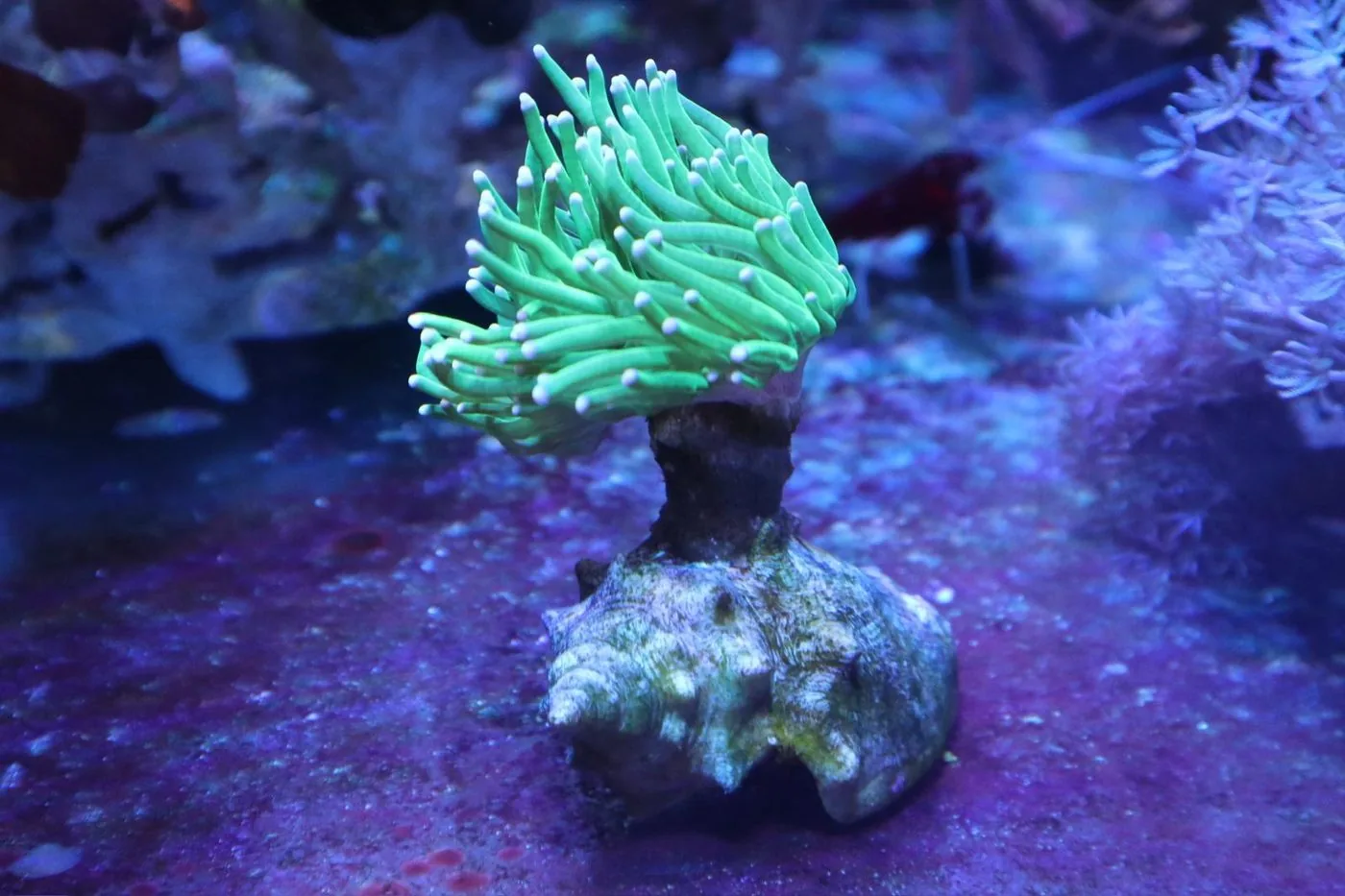
- Many large polyp stony (LPS) corals can accept small meaty or coral-specific foods.
- Small polyp stony (SPS) corals generally capture much smaller particles and plankton.
- Some soft corals rely heavily on light and dissolved or suspended nutrients, while others may benefit from suitable particulate foods.
- Non-photosynthetic corals typically require frequent, specialized feeding and are usually more demanding to maintain.
Feed small amounts and observe how the coral responds. Excess food can raise nitrate and phosphate and degrade water quality, so avoid feeding more than the aquarium can process. Appropriate feeding may support growth and coloration, but pale color should not automatically be blamed on underfeeding.
4. Keep the Water Moving
Water movement does much more than make coral polyps sway. Good flow helps deliver oxygen and suspended food, carries away waste, and reduces the chance that detritus will settle on coral tissue.
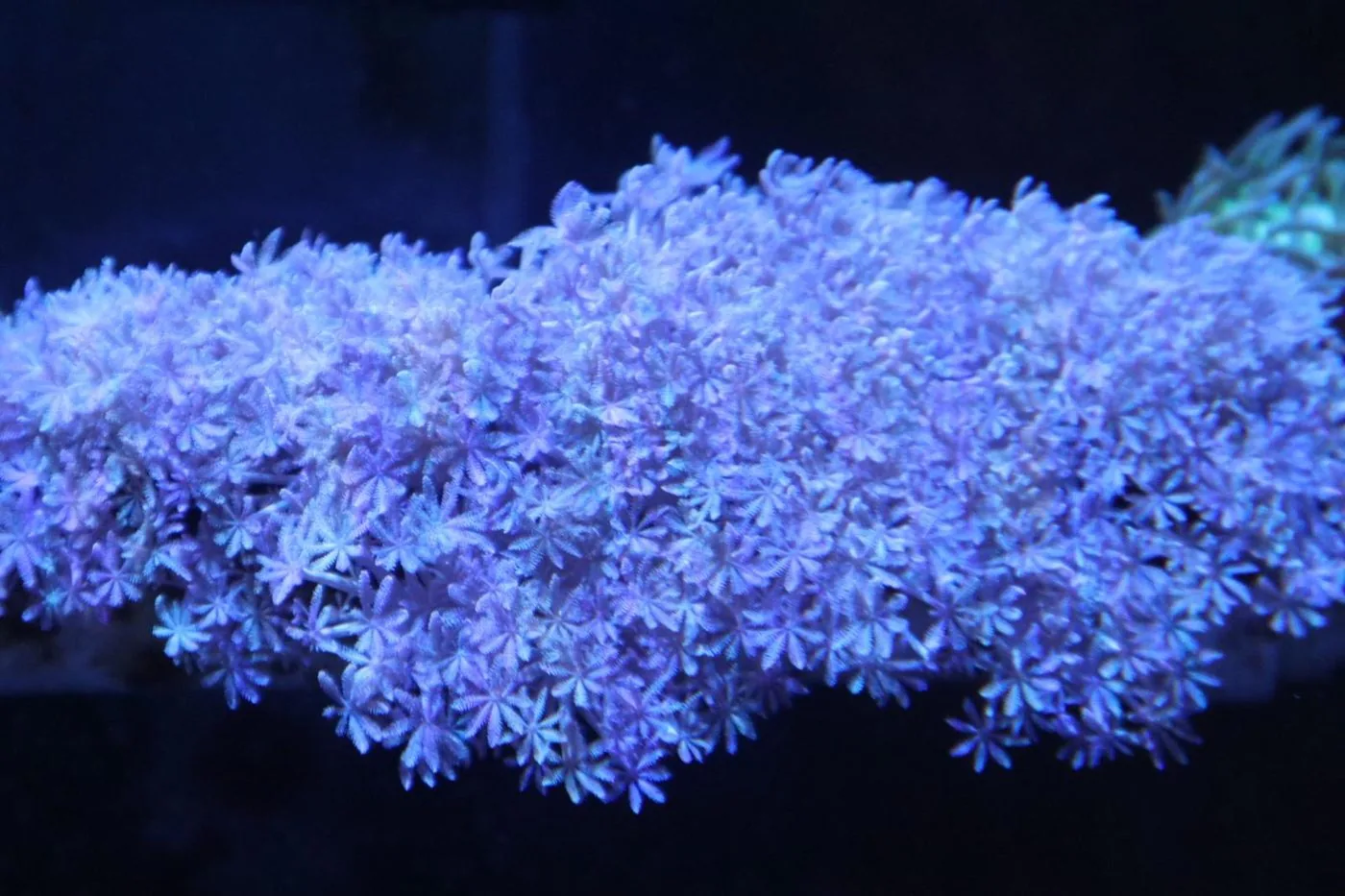
Aim for broad, varied, or randomized flow rather than directing one strong jet at a coral continuously. Wavemakers with alternating or random patterns can help create more natural movement, but the amount of flow should match the coral. Many SPS corals prefer stronger, more turbulent flow, while fleshy LPS corals can be damaged by flow that is too direct or intense.
5. Avoid Driving Nutrients to Zero
Corals need access to nutrients, and an ultra-low-nutrient aquarium is not automatically a healthier aquarium. Very low nitrate and phosphate can contribute to pale coloration or stress, particularly when combined with strong lighting or other instability.
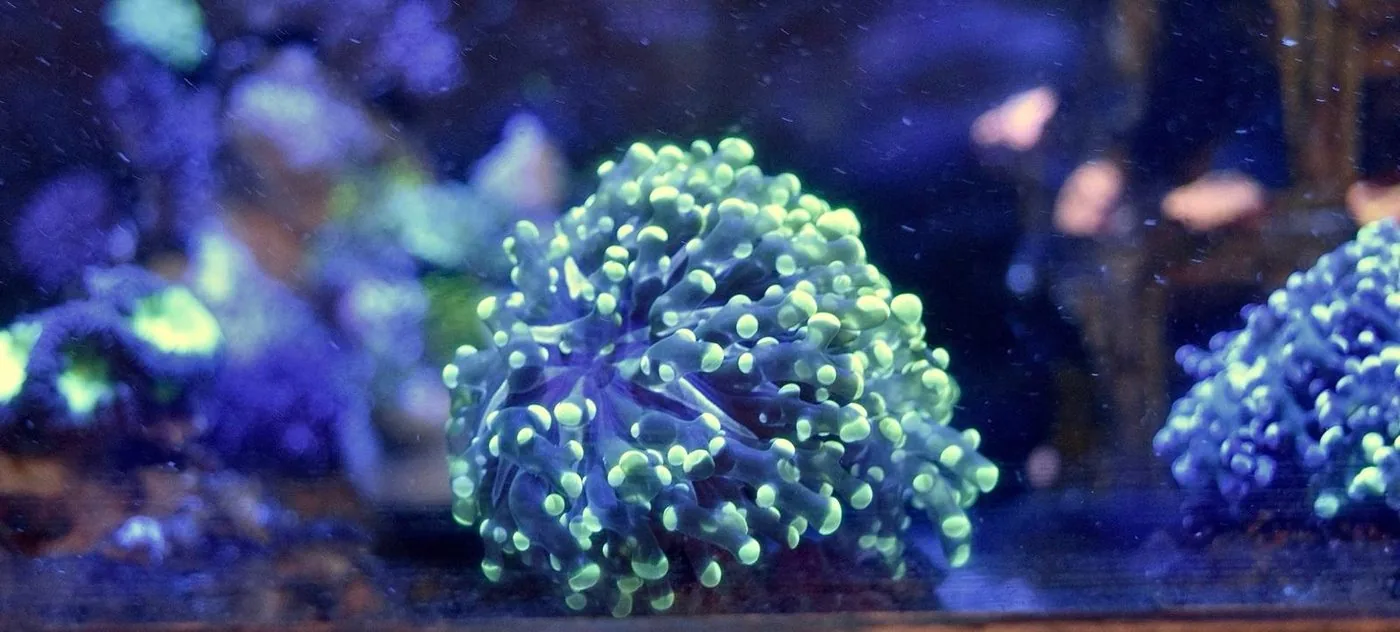
For many reef systems, these are reasonable starting ranges:
- Nitrate: about 2–20 ppm
- Phosphate: about 0.03–0.10 ppm
These are not universal limits. Different successful reef systems operate at different nutrient levels, and the right target depends on coral type, feeding, filtration, and the rest of the aquarium’s chemistry. The goal is to avoid large swings and prolonged readings at or near zero unless you are following a carefully managed method designed for that condition.
6. Inspect, Dip, and Quarantine New Corals
New corals can introduce pests into an otherwise healthy reef. Common hitchhikers include Acropora-eating flatworms (AEFW), red bugs, Montipora-eating nudibranchs, nuisance algae, and other unwanted organisms.
Inspect every new coral carefully and use an appropriate coral dip when suitable for the species. Remember that many dips do not reliably kill pest eggs, so dipping alone is not a complete substitute for observation and quarantine.
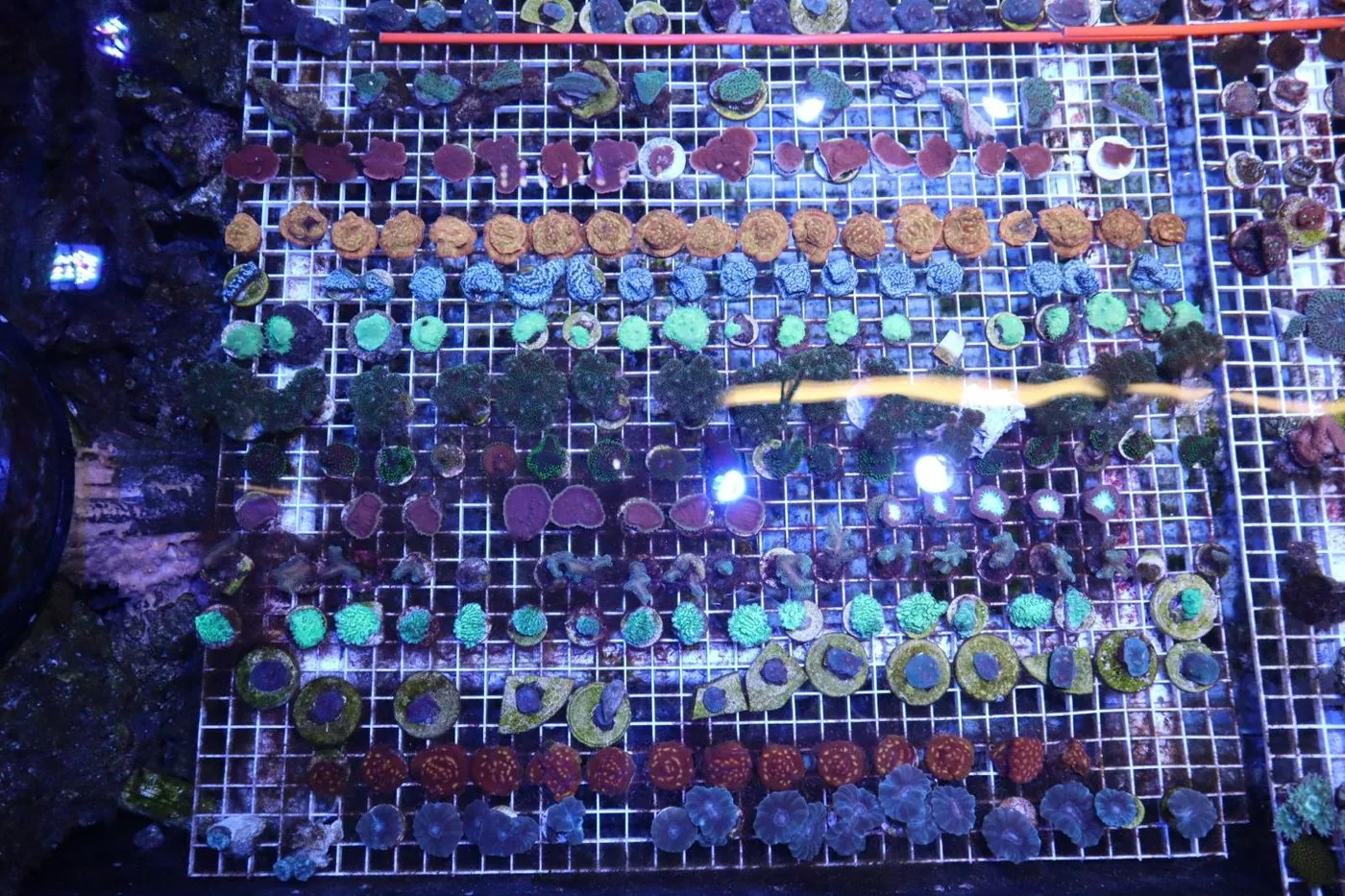
A separate quarantine or observation system gives you time to watch for pests before a coral reaches the display tank. The appropriate quarantine period depends on the pest-management protocol you use; a short one- to two-week observation can catch some visible problems, but longer quarantine may be needed to account for pest life cycles.
7. Give Color Time to Develop
New corals often need several weeks to adjust to a different aquarium. Lighting, nutrient levels, water chemistry, flow, feeding, and even the move itself can affect coloration during that period.
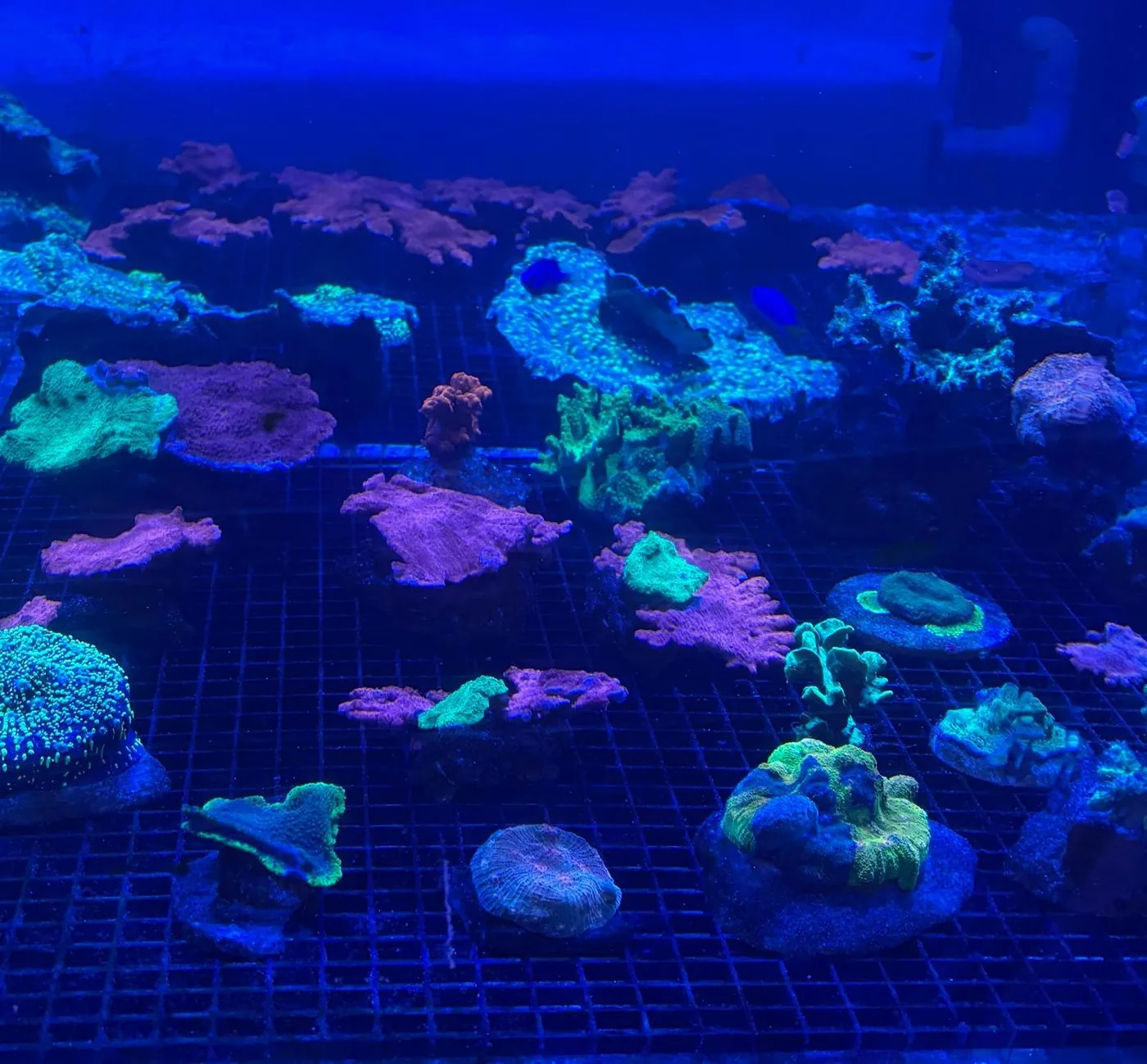
Resist the urge to make several major changes during the first few days unless the coral is clearly in distress. Make one adjustment at a time when possible, monitor the response, and allow the coral time to acclimate.
Consistency Comes First
Healthy, colorful corals do not come from chasing perfection. They come from keeping the aquarium stable and responding to what the animals are showing you. Get the fundamentals right — stable chemistry, appropriate lighting, suitable feeding, good flow, and manageable nutrient levels — before relying on supplements or additives to solve a coloration problem.
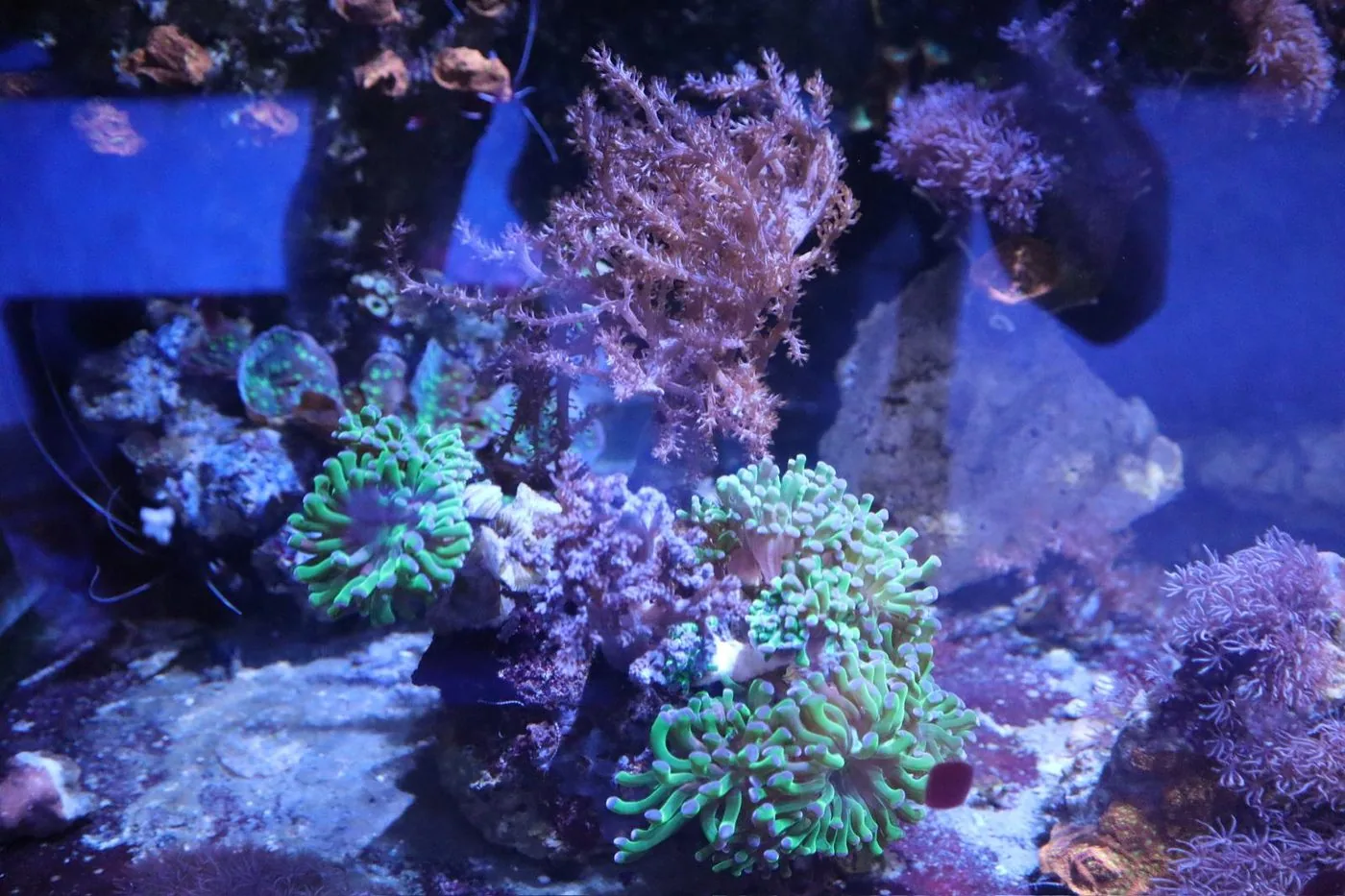
At JK-Fish in Randolph, NJ, we stock everything from beginner-friendly soft corals to SPS frags. Browse our online shop to see what’s currently available, or book a showroom appointment to see livestock in person. Our specialists can walk you through lighting, flow, dosing, and testing decisions, and help you troubleshoot your system, whether you’re setting up your first nano reef or fine-tuning a mature SPS aquarium. Not sure where to start? Our coral recommendations page is a good first stop.