
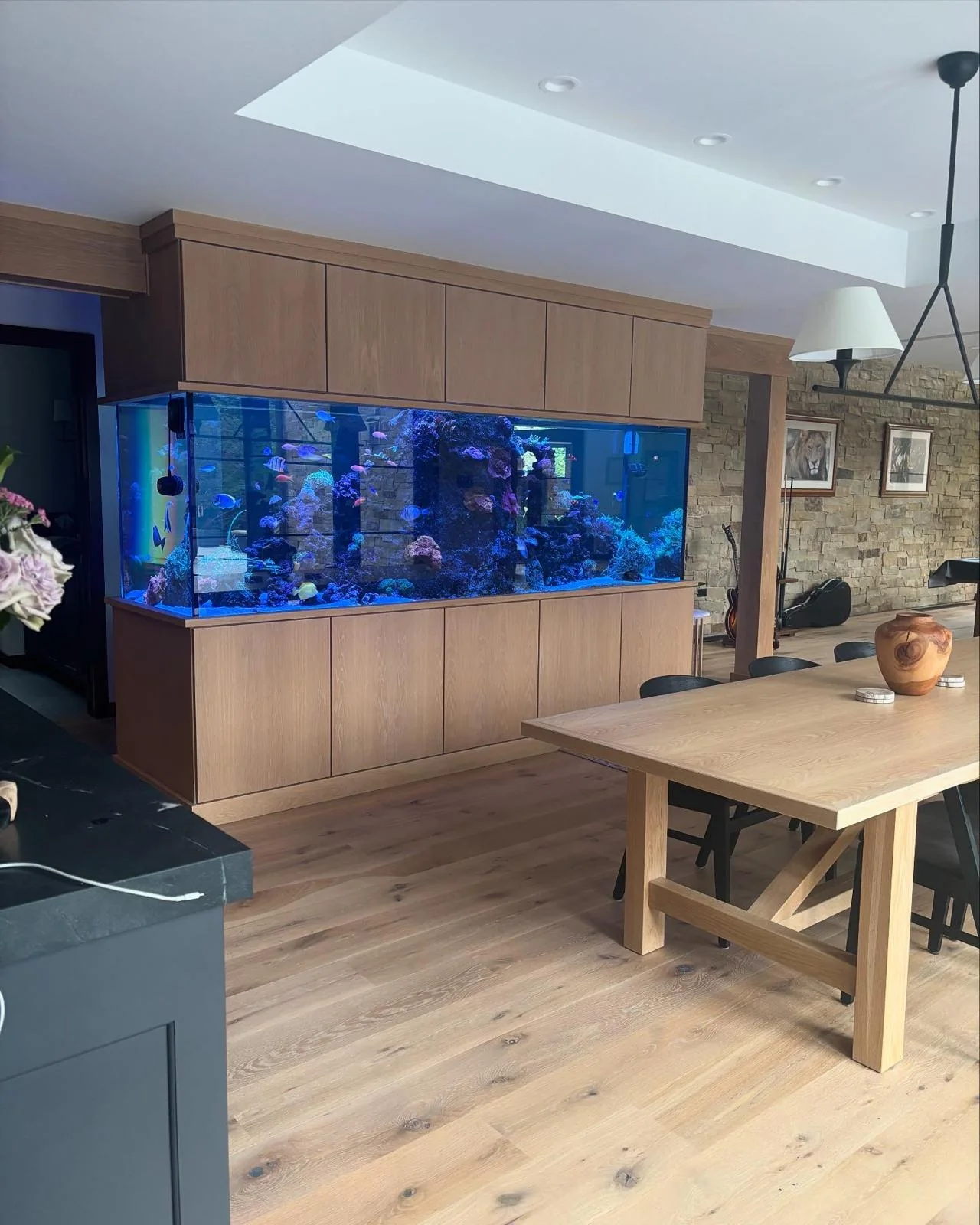
A thriving aquarium isn’t maintained by appearance alone—it stays healthy through consistent, science-based routines. At JK-Fish, we know most aquarium owners want clear water, vibrant fish, and a stable ecosystem without guesswork. One of the most important parts of long-term success is knowing how often to clean your aquarium and what to clean (and what not to disturb).
Aquarium cleaning isn’t about constant scrubbing. It’s about maintaining balanced water chemistry, protecting beneficial bacteria, and preventing waste from building up over time. Done on a sensible schedule, maintenance helps prevent toxic spikes, algae outbreaks, fish stress, and equipment problems.
Why Aquarium Cleaning Frequency Directly Impacts Fish Health
Fish live entirely in the water environment. Every feeding, every waste cycle, and every decaying plant leaf increases:
- Ammonia
- Nitrite
- Nitrate
- Organic debris
- Algae spores
If cleaning is neglected, ammonia can rise quickly and damage gills, weaken immunity, and increase disease risk. Nitrite interferes with oxygen transport in the blood. Even nitrate—less toxic short-term—can cause chronic stress when it stays elevated.
Regular maintenance supports:
- Stable pH
- Good oxygenation
- Healthy beneficial bacteria colonies
- Clear water
- Normal fish behavior and appetite
That’s why cleaning frequency isn’t optional—it’s foundational.
How Often Should You Clean Your Aquarium? A Practical Schedule
Cleaning frequency depends on tank size, stocking level, filtration, and whether the tank is freshwater or saltwater. Here’s a structure that works for most established tanks.
Weekly Aquarium Maintenance Tasks
Once a week, aim for:
- Partial water change (10–25%)
- Light gravel vacuuming (remove trapped waste)
- Glass cleaning (control algae)
- Water testing (especially ammonia/nitrite)
- Quick filter/equipment check
Partial water changes dilute nitrates and refresh minerals. Gravel vacuuming removes uneaten food and waste from the substrate. Testing helps confirm ammonia and nitrite stay at safe levels.
Biweekly to Monthly Maintenance
Every 2–4 weeks (based on load and filtration), do:
- Rinse filter media in removed tank water only
- Deeper substrate cleaning (as needed)
- Gentle cleaning of decor/rocks (avoid over-scrubbing)
- Trim plants and remove decaying leaves
Never wash filter media in tap water—chlorine/chloramine can damage beneficial bacteria that keep your tank biologically stable.
Quarterly Deep Maintenance (Every 3–4 Months)
Every few months, review and service equipment:
- Clean/check impellers
- Inspect pumps, tubing, and flow rates
- Evaluate lighting performance
- Reassess stocking and feeding levels
- Check heater accuracy and thermostat behavior
This is where many tanks improve significantly, because equipment issues often reduce water quality silently over time.
Freshwater vs. Saltwater Cleaning Frequency
Freshwater Aquariums
Freshwater tanks are usually more forgiving. With moderate stocking and good filtration, weekly water changes and monthly filter rinsing are often enough. Heavily stocked tanks may need more frequent water changes and closer testing.
Saltwater and Reef Aquariums
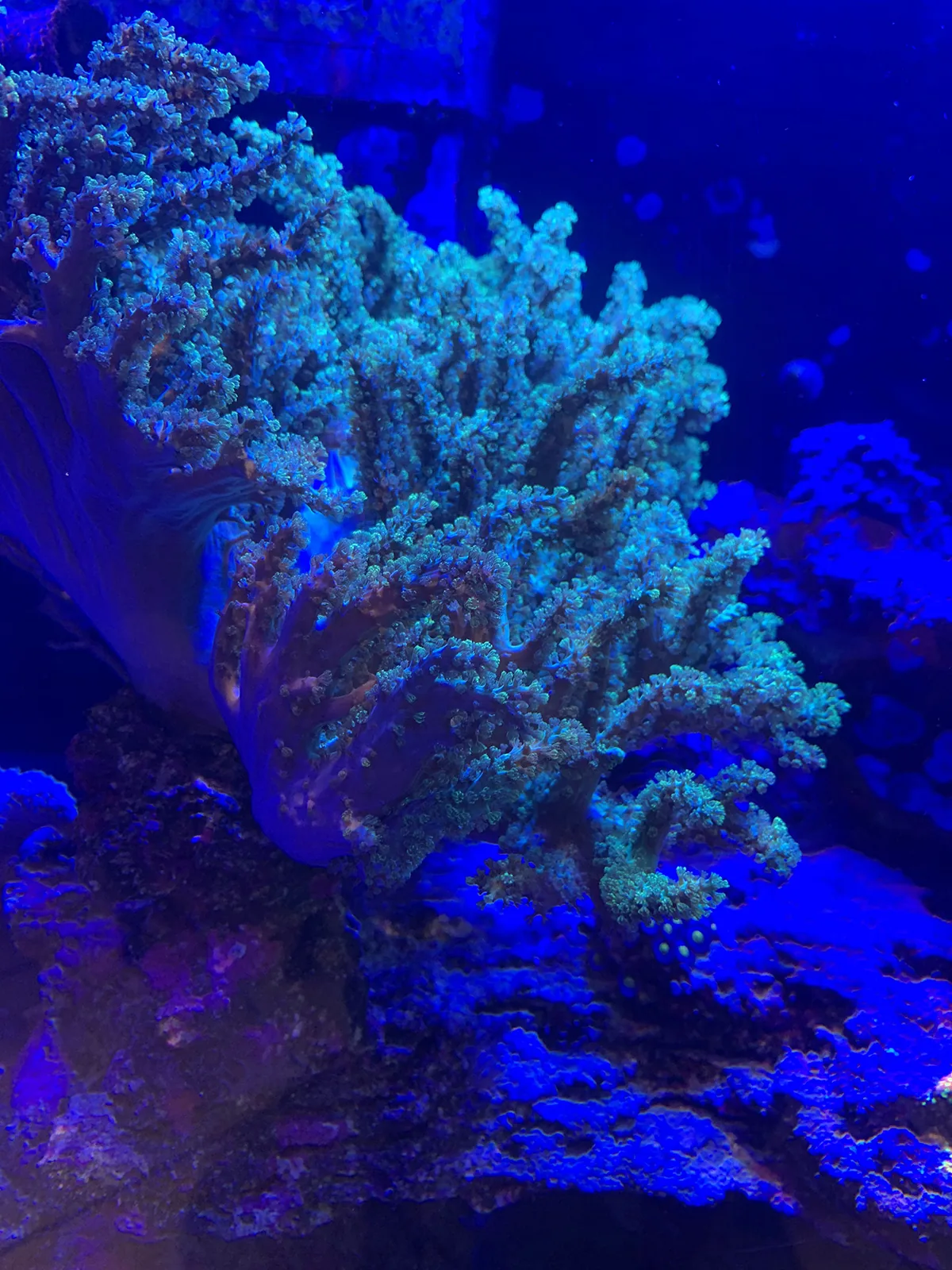
Reef systems demand tighter stability because corals can react to small parameter swings. Depending on nutrients and stocking:
- Weekly (or biweekly) water changes are commonly recommended
- Protein skimmer cups/necks should be cleaned regularly
- Salt creep should be removed
- Salinity must remain stable
In reef tanks, missed maintenance can quickly show up as algae blooms, stressed fish, or coral decline.
Why Over-Cleaning Can Be Just as Harmful
Over-cleaning is a common mistake. Aggressive scrubbing, deep-cleaning everything at once, or replacing all filter media can disrupt the biological cycle.
Your aquarium relies on nitrifying bacteria to process waste. Removing too much bacteria at once can trigger a mini-cycle and lead to ammonia or nitrite spikes. The goal is balance—not sterility.
Signs Your Aquarium Needs Immediate Cleaning
Even with a schedule, act quickly if you notice:
- Cloudy water
- Strong odor
- Fish gasping at the surface
- Rapid algae growth
- Sluggish behavior or low appetite
- Rising nitrate readings
These usually mean waste is exceeding the filter’s capacity.
The Hidden Consequences of Infrequent Cleaning
When cleaning is inconsistent, problems build gradually:
- More disease outbreaks
- Lower oxygen levels
- Sludge in the substrate
- Declining beneficial bacteria efficiency
- Shorter equipment lifespan
- Persistent algae issues
Preventive maintenance is almost always cheaper and easier than emergency recovery.
The Role of Water Changes in Aquarium Cleaning
Water changes are one of the most effective maintenance habits. They help:
- Remove dissolved organic compounds
- Reduce nitrate buildup
- Restore mineral balance
- Improve clarity
- Support color and vitality
A properly measured partial water change stabilizes the system without shocking fish.
Professional Aquarium Cleaning vs. DIY Maintenance
Hobbyists can manage routine care, but professional maintenance adds deeper oversight:
- More precise testing and trend tracking
- Equipment diagnostics
- Stability monitoring
- Custom schedules for your bioload and setup
- Early disease/stress detection
At JK-Fish, our focus is long-term biological stability—not short-term cosmetic cleaning.
Feeding Habits and Cleaning Requirements
Overfeeding is a major cause of poor water quality. Uneaten food breaks down into ammonia, and even strong filtration can’t fully compensate for excessive feeding.
Controlled feeding reduces:
- Waste production
- Nitrate buildup
- Algae growth
- Filter overload
Creating a Sustainable Cleaning Routine
A reliable plan looks like:
- Weekly partial water changes
- Monthly filter inspection/rinsing (in tank water)
- Regular parameter testing
- Controlled feeding
- Scheduled professional checkups (especially for reef systems)
Why Consistent Aquarium Cleaning Truly Matters
Aquarium ecosystems change daily as waste accumulates. Stable water quality supports:
- Longer fish lifespan
- Better coloration
- More natural behavior (and breeding success)
- Coral health
- Fewer sudden crashes
- A cleaner-looking tank
A clean aquarium isn’t just attractive—it’s biologically stable.
Trust Professional Aquarium Maintenance for Long-Term Success
Aquarium ownership should be enjoyable, not stressful. With balanced water chemistry, stable filtration, and consistent cleaning schedules, your tank can stay healthy and beautiful year-round. JK-Fish is here to help you maintain a system that stays resilient—not one that constantly needs “fixing.” If you’d like expert help with routine maintenance, deep cleaning, water testing, or a custom service schedule, contact JK-Fish at +1 (973) 919 9199 or email info@jkfishworld.com to get started.